Your Cart Details
Sub-Total: $0.00
Free Shipping for Orders $75+ Shop Now
Your Cart Details
No products in the cart.
By Angela Queen | Mar 26, 2026
By Angela Queen | Mar 26, 2026
A drink at night can feel relaxing.
It might even help you fall asleep faster.
But if you’ve ever had a night where you:
Alcohol is often the reason.
While it can make you feel sleepy at first, alcohol actually disrupts your sleep quality throughout the night.
Alcohol slows down your central nervous system.
This creates a sedative effect, which is why:
But this effect is temporary—and it doesn’t lead to restorative sleep.
As your body processes alcohol, the effects start to change.
Instead of helping sleep, alcohol begins to fragment it.
This can lead to:
Many people don’t realize their sleep is being disrupted—they just wake up feeling off.
Deep sleep is when your body physically recovers.
This is when:
Alcohol reduces the amount of time you spend in this stage.
So even if you sleep 7–8 hours, your body doesn’t fully recover.
👉 This is one reason you may feel exhausted even after a full night:
Why You Feel Tired Even After 8 Hours of Sleep
Sleep isn’t one continuous state—it’s a cycle.
Alcohol interferes with these natural cycles, especially later in the night.
This is why many people:
👉 If you often wake up around the same time, this explains it:
Why You Wake Up at 3AM Every Night
As alcohol leaves your system, your body becomes more alert.
This rebound effect can:
This is often when your mind starts racing again.
Even though alcohol feels calming at first, it can actually increase anxiety later in the night.
As your body processes it, you may notice:
This can make your thoughts feel louder and harder to control.
👉 Learn why your mind becomes more active at night:
Why Your Brain Won’t Turn Off at Night
Sleep requires your body to move into a calm, stable state.
Alcohol disrupts this by:
So while it may feel like it helps, it actually works against quality sleep.
When your sleep is disrupted by alcohol:
This leads to:
Even if you technically “slept enough.”
You don’t necessarily need to eliminate alcohol completely.
But improving your sleep may come down to:
Instead of relying on something that disrupts sleep, the goal is to help your body relax in a way that supports deeper rest.
Many people build a simple nighttime routine that includes:
Some herbs traditionally used for relaxation include:
These are often combined with CBD to help the body settle into a more restful state before sleep.
Alcohol might help you fall asleep—but it makes it much harder to stay asleep and get quality rest.
It disrupts your sleep cycles, reduces deep sleep, and increases wakeups throughout the night.
If you’ve been waking up tired, restless, or in the middle of the night, alcohol could be playing a bigger role than you think.
And improving your sleep may be less about doing more—and more about removing what’s getting in the way.
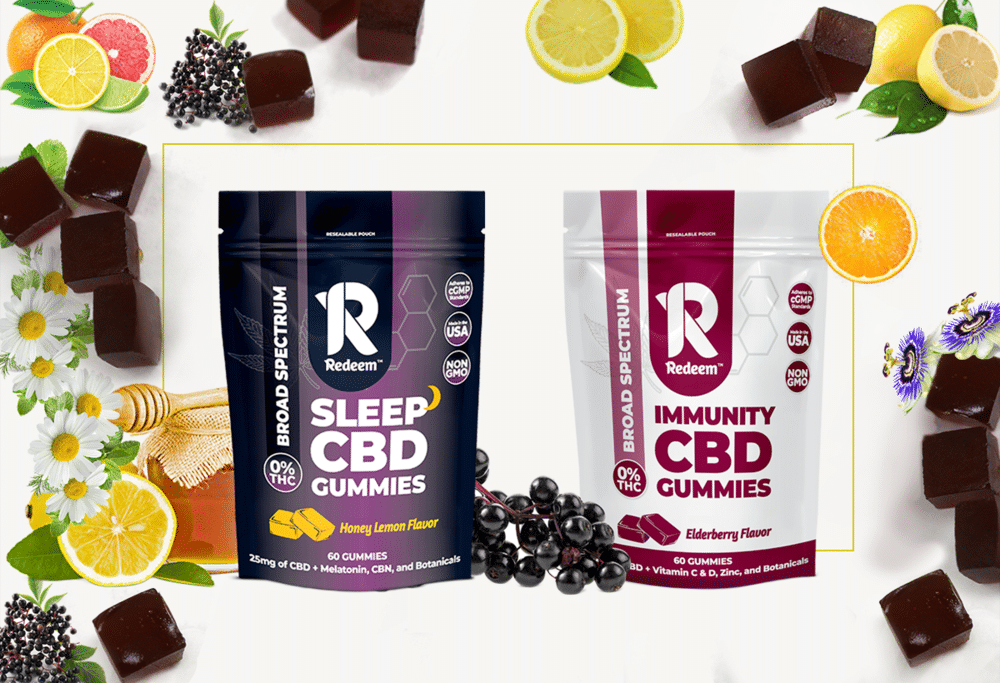

 CBD Gummies
 CBD Oils
 CBD Capsules
 CBD Cream
 CBD for Pets
 CBD + THC Gummies
 Delta 8 Gummies
 Delta 8 Capsules
 Full Spectrum CBD Oil
  THC Drops
 Stress